Happy Eurovision Day! I’m very excited to be going to the live final for the first time tonight and to be there cheering on such a great UK entry in person!
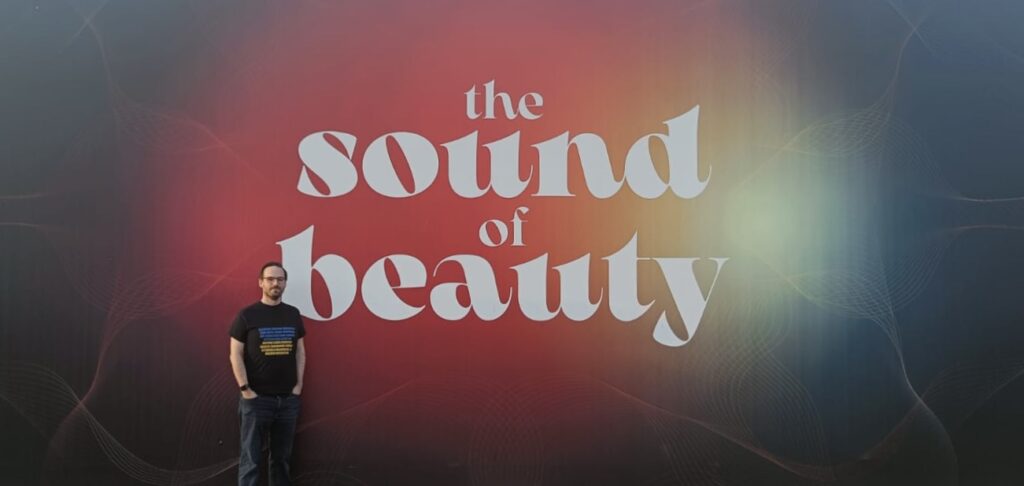
At the PalaOlimpico for semi-final 1
The results from Thursday’s semi-final were a bit more in line with expectations but Ireland in particular were hard done by and well deserved to qualify.
Check out my semi-final 1 and semi-final 2 posts to catch up with the acts who did get through to perform tonight. Joining them are the Big Five automatically qualifiers, which this year include host country Italy.
France
The song: Fulenn – Alvan and Ahez
The pros: Breton is back in the competition for the first time 1996. This is a full on folklore rave about fire and dancing with the devil, like The Wicker Man on MDMA.
The cons: There is a lot going on in the staging.
Final prediction: mid table
Italy
The song: Brividi – Mahmood and Blanco
The pros: Two talented performers, one of whom came second in 2019 with the excellent Soldi.
The cons: They need to bring it live (they were sleepwalking through rehearsals). It’s more of an acquired taste than Soldi. Blanco is a bit annoying (but he’s also barely out of school).
Final prediction: top 10
Spain
The song: SloMo – Chanel
The pros: Chanel is a triple threat and it shows – you don’t see this level of singing and dancing together at Eurovision very often. The song is catchy and deploys some tactical English alongside the Spanish. Spain’s best chance in decades.
The cons: They have fiddled with the backing track a bit and I’m not sure it’s an improvement. In the full length preview clip, Chanel’s vocals didn’t come across as strong as when I’ve seen her live. The only Big Five entry not written or co-written by the artist.
Final prediction: top 5
Germany
The song: Rockstars – Malik Harris
The pros: Malik is a likeable multi-instrumentalist and his song comes across as genuine and heartfelt.
The cons: I’m not convinced this will find an audience.
Final prediction: bottom 10
United Kingdom
The song: Space Man – Sam Ryder
The pros: Sam’s incredible vocals. A surprisingly effective guitar solo. Competent staging. A catchy song that stands out.
The cons: Sam is such a dynamic performer that he occasionally gets carried way improvising around the melody or, in the preview clip, laughing with joy. But all reports are that in the jury final he was disciplined and I fully expect the same tonight. The only other risks are technical ones: the camerawork and stage changes need to be precise. But if they are…
I have guzzled the Kool-Aid and am sold on the UK getting a good result after so many years of hurt – and I’m trying not to set myself up to feel disappointed if we “only” make the top 10 because that would still be our best result in 13 years.
But for the first time this century we have a real chance of winning and that’s a fantastic feeling. Huge well done to Sam, Tap Music and the BBC for getting us here. I cannot wait to see him kill it tonight.
Who are the other contenders? Ukraine of course are in with a shout. If not them then the UK’s biggest threats are Spain and Sweden, who are both at the top of their game this year. Italy could challenge if they’re strong tonight, which they should be. Greece could be a dark horse and really who knows what kind of result Serbia will get. And then there are my personal favourites, the Czech Republic, who I’d love to see make the top 10,
I can picture Spain winning closely followed by Ukraine and the United Kingdom. So that result is now jinxed.
The final kicks off at 8pm BST on BBC One. Enjoy it wherever you’re watching and break a leg, Sam!
Some surprises and disappointments in Tuesday night’s qualifications and I’m sure there will be more tonight.
Thursday is the stronger of the two semi-finals and it also has 18 rather than 17 acts – so one more country will be disappointed as only 10 go through to the final.
This is also the semi in which UK viewers can vote and there will be previews of the Spanish, German and British entries. Here are the contenders.
Finland
The song: Jezebel – The Rasmus
The pros: It’s The Rasmus. We kick off with a bit of early 2000s rock.
The cons: It’s 2022.
Chance of qualifying: 65%
Israel
The song: I.M – Michael Ben David
The pros: An upbeat anthem of self-empowerment. The performance will be incredibly slick from vocals to choreography. Big in Tel Aviv gay bars.
The cons: The self-empowerment tips into self-aggrandisement. There is no good reason that this isn’t called I Am.
Chance of qualifying: 50%
Serbia
The song: In corpore sano – Konstrakta
The pros: Proper arty wackiness with a point to make about health and access to healthcare. A performer who grabs your attention when you hear “Meghan Markle” amongst the Serbian lyrics and then holds it with her steely gaze. A Latin title. Clapping.
The cons: Could easily be mistaken for just being wilfully daft. Is a grower which is never helpful at Eurovision.
Chance of qualifying: 55%
Azerbaijan
The song: Fade to Black – Nadir Rustamli
The pros: Winner of the Azeri version of The Voice, for good reason. The staging, a mirror universe version of You’re The One That I Want, will likely be very effective.
The cons: The song is broadly forgettable and the lyrics are dreadful.
Chance of qualifying: 50%
Georgia
The song: Lock Me In – Circus Mircus
The pros: A catchy chorus. The band have a very strong look.
The cons: Circus Mircus promised a lot when they were announced but their surrealism has been muted and they’ve been out-weirded by Subwoolfer. The staging is really static.
Chance of qualifying: 35%
Malta
The song: I Am What I Am – Emma Muscat
The pros: A very simple, unsubtle song competently performed. Emma is engaging.
The cons: A very simple, unsubtle song competently performed. Feels terrible and cynical rather than optimistic and life-affirming.
Chance of qualifying: 50%
San Marino
The song: Stripper – Achille Lauro
The pros: A stage show with everything but the kitchen sink – huge amounts of pyro, a bucking bronco… Lauro is a big star in Italy.
The cons: All of that is trying to distract from a very mediocre song performed by a very annoying man.
Chance of qualifying: 65%
Australia
The song: Not the Same – Sheldon Riley
The pros: Sheldon’s incredible voice. Strong visuals. As on the nose with it message as Malta but the lyrics are genuine rather than cynical.
The cons: The song itself is quite bland and carried by Sheldon’s vocals. The masks he wears is symbolic but it makes it very hard to engage with his performance. One for the juries.
Chance of qualifying: 60%
Cyprus
The song: Ela – Andromache
The pros: Erm. It’s not bad, I guess?
The cons: Too bland. If we ignore the aberration of 2020, this is Cyprus’s weakest entry in years. The staging is clever on paper but doesn’t seem to work in practice.
Chance of qualifying: 45%
Ireland
The song: That’s Rich – Brooke
The pros: An absolute bona fide banger. Staging is waaaaaay better than in its national final. Just a great 3-minute pop song that we need in the final.
The cons: Might be treated as disposable, especially by the juries. Needs a strong performance on the night.
Chance of qualifying: 50%
North Macedonia
The song: Circles – Andrea
The pros: A passionate, competent performer.
The cons: No staging to speak of. Not a memorable song.
Chance of qualifying: 20%
Estonia
The song: Hope – Stefan
The pros: A charismatic singer giving us a toe-tapping bop with a Morricone vibe.
The cons: Some mumbled lyrics, which is certainly a choice.
Chance of qualifying: 70%
Romania
The song: Llámame – WRS
The pros: Romania goes Spanish. An easy to follow chorus with a really catchy hook. Good moves.
The cons: It’s solid but it might struggle to be anyone’s favourite.
Chance of qualifying: 40%
Poland
The song: River – Ochman
The pros: What you’d get if Henrik Ibsen entered Eurovision. A very different song that will stand out. One of the strongest singers vocally. All of the video effects.
The cons: Ochman seems lovely but he just doesn’t sell this. It’s technically great but I wish you some passion came through in the performance because it has potential that isn’t being realised.
Chance of qualifying: 65%
Montenegro
The song: Breathe – Vladana
The pros: A song with real feeling inspired by loss. A camp light circle strapped to her back.
The cons: The one you keep confusing with North Macedonia. Lyrics that are incredibly on the nose. A song about Covid.
Chance of qualifying: 30%
Belgium
The song: Miss You – Jérémie Makiese
The pros: Another winner of The Voice. Nice mix of slow intro and more upbeat chorus.
The cons: A song that’s enjoyable while you’re watching but out of mind as soon as it’s over. Dancers could probably do more.
Chance of qualifying: 50%
Sweden
The song: Hold Me Closer – Cornelia Jakobs
The pros: A slick, well staged performance that translates straight across from Melodifestivalen. A melancholy pop song that perfectly matches Cornelia’s distinctive voice. Rightly one of the favourites.
The cons: Faces the usual accusation of Sweden being too slick. Perhaps grabs you more on repeat listens. At the mercy of camerawork, lighting and stage crew.
Chance of qualifying: 80%
Czech Republic
The song: Lights Off – We Are Domi
The pros: Absolute banger to close the show. Musically interesting, original lyrics, enthusiastic performers. A great place in the running order. This group met at Leeds College of Music and that academic background underpins the quality. Also: more lights than I have ever seen in a stage show at Eurovision.
The cons: Eurovision doesn’t seem to go for EDM (but this is a quality pop song). There have been concerns expressed about the high notes but I’m not even going to entertain that – these are pros and they will smash it. In other words, I don’t think there are any cons other than the taste of the juries and the voters.
My favourites from this semi are Ireland, Estonia, Poland, Romania, Sweden and, of course, Czech Republic. I did turn up on screen in the opening section on Tuesday if you didn’t blink so keep looking out!
It’s May and that must mean it’s time to dust off the old blog for my annual preview of the runners and riders at the Eurovision Song Contest.
And it’s a strong year! Although rather than a handful of standout excellent songs, it’s more than across the board nearly everything is good even if it isn’t great. There’s diversity of styles and performances (although less so on demographics than last year, which is disappointing) with something for everyone.
Tonight is the first semi-final which UK viewers can watch on the recently resurrected BBC Three. So who will you see?
Albania
The song: Sekret – Ronela Hajati
The pros: An up tempo ethno-bop with everything thrown at it from energetic choreography and multiple languages to big vocals.
The cons: A slow start (depending on the final version of the song they’ve gone for).
Chance of qualifying: 65%
Latvia
The song: Eat Your Salad – Citi Zēni
The pros: A talented, charismatic group (check out their TikTok channel where they’ve been uploading impressive covers of the other acts) whose fun song has a proper environmental message at its heart.
The cons: With lots going on they need strong camerawork to catch their energy, and the strength of their amazing opening line “Instead of meat I eat veggies and pussy” is rather lost by their not being allowed to use the last word.
Chance of qualifying: 60%
Lithuania
The song: Sentimentai – Monika Liu
The pros: A gorgeous jazz lounge vibe effortlessly delivered by an experienced singer-songwriter.
The cons: It’s much the same for the whole three minutes.
Chance of qualifying: 50%
Switzerland
The song: Boys Do Cry – Marius Bear
The pros: Marius has a good voice and will perform this well. Juries will probably go for it.
The cons: The lyrics are twee. The staging is twee.
Chance of qualifying: 50%
Slovenia
The song: Disko – LPS (aka Last Pizza Slice)
The pros: A charming group of teenagers performing a self-referential song and looking like they’re playing a big budget school prom.
The cons: It’s not the catchiest melody and unless you speak Slovenian you’ll miss the meaning.
Chance of qualifying: 35%
Ukraine
The song: Stefania – Kalush Orchestra
The pros: A simple chorus you can single along to even if you don’t speak Ukrainian. A memorable look. Great flute work. One member of 2021 favourites Go_A. And the fact they are here at all.
The cons: A Ukrainian rap you might not follow.
Chance of qualifying: 90%
Bulgaria
The song: Intention – Intelligent Music Project
The pros: Competent rock band playing an OK rock song. Two-time former Bulgarian representative Stoyan on drums.
The cons: A title that you’ll blink and miss in the lyrics. It’s no more exciting than an OK rock song.
Chance of qualifying: 50%
Netherlands
The song: De Diepte – S10
The pros: Dutch is back at Eurovision, but with a choice of lyrics that make you feel you understand in English (which worked well for Bobbysocks). S10’s voice, especially on her “oooohs”.
The cons: There’s nothing exciting in the staging so it’s all in the song and how its sung (which worked well for Barbara Pravi).
Chance of qualifying: 75%
Moldova
The song: Trenulețul – Zdob și Zdub & Frații Advahov
The pros: A joyful song about a train. And folklore, and rock and/or roll. Except it’s actually about the complex relationship between Moldova and Romania, their similarities and differences and ongoing debate about their potential unification. But also a train.
The cons: Could end up feeling a bit shambolic. The Eurovision version seems to have lost a bit of the vim of the studio version (although it apparently “went off” as the kids say at the jury semi-final last night).
Chance of qualifying: 55%
Portugal
The song: Saudade, Saudade – MARO
The pros: A gentle song with support from a talented group of women who join MARO in an intimate circle on stage. Despite the title (an untranslatable word for longing for something or someone missed), there are English lyrics.
The cons: Like Lithuania, there isn’t much development over the three minutes. It risks being forgotten after Moldova’s runaway train.
Chance of qualifying: 45%
Croatia
The song: Guilty Pleasure – Mia Dimšić
The pros: Contemporary pop and pointed lyrics from a talented singer-songwriter.
The cons: Feels overstaged with a risk the dancers distract rather than add. It’s a good song but maybe not standout enough to get people to pick the up the phones to vote for it.
Chance of qualifying: 35%
Denmark
The song: The Show – Reddi
The pros: A female rock group. A song that builds. A writing team with connections to lots of previous Danish entries.
The cons: They aren’t allowed to play their instruments live. The song perhaps builds too slowly. Lots of previous Danish entries didn’t do well.
Chance of qualifying: 40%
Austria
The song: Halo – LUM!X feat. Pia Maria
The pros: A really strong EDM track. The studio version is a full-on banger.
The cons: Eurovision songs with a DJ as the centre of attention don’t have a good track record even if it does give the song a contemporary feel. And then there are the hit and miss vocals. Pia Maria is young and inexperienced and quite exposed here and I really hope her vocals land because that’s what will determine whether this qualifies.
Chance of qualifying: 45%
Iceland
The song: Með hækkandi sól – Systur
The pros: Vocals are not a worry for these three sisters whose harmonies are incredibly tight. Their musical family background really shines through.
The cons: The song itself is another gentle ballad that might struggle to inspire people to vote for it, especially in competition with Portugal.
Chance of qualifying: 40%
Greece
The song: Die Together – Amanda Georgiadi Tenfjord
The pros: This is how you build over your three minutes. A really stripped back start leading into some big vocals. Staging that focuses on Amanda – who is half Norwegian which may help pick up some Nordic votes. If there is an unexpected dark horse winner, it could be this.
The cons: Very few. There is a risk this feels too cold – maybe a song to respect rather than love.
Chance of qualifying: 90%
Norway
The song: Give That Wolf A Banana – Subwoolfer
The pros: Speaking of Norway, they’re up next represented by yellow alien wolves from the Moon. By far the most WTF of the entries tonight, there is a lot to unpack. These guys, whose real identities have been hidden ever since they were announced for Norway’s national final, have been churning out social media content with way more effort than you would expect for what initially looked like a joke entry. But the song, however absurd, is incredibly catchy and memorable with fun choreography.
The cons: The EBU seem to have been very lenient with the amount of vocal that is on the backing track here which is borderline taking the piss. It also risks coming across as too silly to some of the audience – although as you can only vote for and not against songs that might not matter.
Chance of qualifying: 65%
Armenia
The song: Snap – Rosa Linn
The pros: Another contemporary pop song performed well. Inventive staging that should be really effective. A good position in the running order.
The cons: Another one that is perhaps more radio friendly than it is voter bait. The staging could look a bit contrived.
My own favourites from this semi are Latvia, Lithuania, Moldova, Croatia, Austria and Norway so I will be cheering for them in the arena. I’m sitting in the front block to the left of the stage so keep an eye out!
With the 10 qualifiers from each semi-final decided, tonight they head to the final to join the six pre-qualifiers: the Big Five countries of France, Spain, Italy, Germany and the UK, and the host country, the Netherlands. You can see my initial thoughts on the qualifiers in my semi-final 1 and semi-final 2 previews.
While the bookies obviously have their favourites, this is an unusually open Contest, which is very welcome. There are at least half a dozen countries in with a good chance and few that I would be shocked or disappointed to see win.
What has become clear from the semi-finals is that the EBU has been overly lenient in enforcing its new rule allowing pre-recorded “backing vocals”, with some artists getting support for the main vocal.
Let’s take a look at the 26 runners and riders.
Cyprus – Having overcome absurd controversy from the Church of Cyprus, El Diablo powered through to the final and opens the show. It’s a confident, energetic performance with good use of fuego to make sure you don’t forget the title.
Albania – A dark horse qualifier from Thursday night, there’s absolutely nothing wrong with this. Anxhela will put in a strong performance but I don’t expect this to make the left-hand side of the scoreboard.
Israel – I had this down as Tuesday’s nonqualifying banger, but that misfortune went to Croatia instead. Eden is charismatic and the song is staged well, with a set of whistle notes thrown in at the end as a memorable extra and a bit of jury bait,. I’m not a fan of them although they sounded more pleasant in the semi-final than I was expecting.
Belgium – Hooverphonic have been around for years and know exactly what they’re doing. With The Wrong Place, they bring a distinct, dark sound and a calm staging that focuses attention on the song. There is definitely an audience for this among both jury members and televoters.
Russia – I have a lot of respect for Manizha’s style and approach. She’s a human rights advocate who’s brought a song promoting women’s liberation in Russia. Her semi-final performance has racked up millions of views on YouTube, especially at home. This song’s biggest barrier for voters in western Europe is that the most pointed lyrics are in Russian.
Malta – Former favourite Destiny, who comes in having already won the Junior Eurovision Song Contest in 2015, has slipped down the odds a little having led a couple of weeks ago. Sixth in the running order isn’t a great spot to win from but her powerful voice can’t be written off.
Portugal – The vocal style is a matter of taste but Love Is On My Side is the closest to Easy Listening we get this evening. It’s going to be fighting for votes with Hooverphonic and in that match-up the winners will most likely be the Belgians.
Serbia – A big energy banger from the Contest’s only girl group. These three singers strut across the huge stage as if they own it, flick their hair with no fear of whiplash, and belt out the lyrics with gusto – thereby achieving the ritual summoning of Eurovision pyrotechnics. They deserve to do well.
United Kingdom – Embers is fun, upbeat and, for the first time since 2014, is co-written by our representative. But while the staging is superficially quite different from 2015, the overall aesthetic feels like a retread of Electro Velvet and that did not go well. In other circumstances I could see this doing OK, but the 2021 final is packed with contenders and I fear this is going to get lost.
Greece – Stefania was let down in semi-final 2 by the weaknesses of Greece’s green screen choreography, with shadows undermining the effect throughout. Hopefully it works better in the final. It does distract from the song, which she performs well, but it also provides a much-needed hook.
Switzerland – Gjon’s Tears has eschewed his song’s most obvious staging where he just emotes at a piano. Instead, he stands on a stark white structure and underlines his unique vocal delivery with jabbing hand movements with moments of balletic dance. This remains a challenger for the win – its biggest problem is that it’s not the only heartfelt Francophone ballad among the favourites.
Iceland – Having been denied the chance to perform at the 2020 Contest by its cancellation, Daði Freyr and his group Gagnamagnið have been thwarted by the covs once more: a positive test has forced them to isolate in their hotel instead of taking to the stage. Fortunately, they already had an extremely solid second rehearsal in the can and this will be shown instead to enable them to compete. This is a brilliant three minutes, from the winning vocals and touching lyrics through to the amazing homemade instruments, the illuminated rings created by Daði’s sister, the wind machine, the gawky choreography, the video graphics from the tie-in Gagnamagniðsmartphone game and the crowdsourced 1,000-person choir for the middle eight (full disclosure: includes me). Absolutely deserves I high placing and I’m sure it’ll be getting votes from the UK.
Spain – The second prequalifier of the night is Spain, with a staging that saw the glowing ball in Duncan Laurence’s winning 2019 performance and decided to go big. Despite the emotion of the song, it is in Spanish and it’s the least memorable ballad in the final so I wouldn’t be at all surprised to see this languish near the bottom of the table.
Moldova – With less competition from other bangers in the second semi-final than the first, this made it through to Saturday night. To be fair to Natalia, she delivers this well, but it remains a fairly lacklustre staging after such a colourful and creative music video.
Germany – I don’t like Marmite but I do like loveable goofball Jendrik and his twee marvel I Don’t Feel Hate. This will split audiences something chronic, featuring such potential turnoffs as unsubtle lyrics, a speech in German, a woman dressed as a hand (the middle finger of the lyrics replaced with a peace sign), and a ukulele. But chuck in some tap dancing, a genuine message and tons of charisma and it really is hard to hate. It’s too divisive to win but if Jendrik can turn in a strong performance tonight then this may yet reach a comfortable spot in the middle of the scoreboard (and above the two other Big Five members who have already performed).
Finland – Middle-finger-gate continues with Blind Channel. The lyrics of their “violent pop” song entreat us to put our middle fingers up but the band aren’t allowed to, so instead they’ve coloured them all red. Dark Side absolutely walked the Finnish national final with more public votes than all the other competitors added together and it will appeal to a big chunk of the televote audience across Europe too. It could finish anywhere on the board but I’d expect higher rather than lower.
Bulgaria – Bulgaria have never won the Contest but are pulling out all the stops this year. Victoria sits alone on a rock as the sands of time pass, a simple and effective staging that reinforces the emotion of the song. If voters would prefer an English language ballad to win, this is the one.
Lithuania – The Roop have slipped below the radar for a couple of reasons. Lithuania’s national final was one of the first this year and as a result Discoteque has become to fans more like an old friend than a fresh new contender. This is even more so because the choreography and staging has stuck closely to both the music video and the national final performance – and the band and their dancers turn it out perfectly every single time. But that familiarity doesn’t exist for the vast majority of viewers across Europe tonight who will be seeing it for the first time – and hopefully loving it. Lithuania’s best result was sixth place in 2006 and they’ve only reached the top 10 once since. This should change that.
Ukraine – OK, I admit it: Shum has grown on me. I find Go_A’s sound quite jarring but the live version coupled with a really nice staging concept has won me over. With no competition tonight for the dance music vote, a plum spot in the running order and a memorable sound, this could pick up a lot of votes.
France – Barbara Pravi won the most recent of Junior Eurovision as a songwriter and now she and her co-writer are taking on the adult show. It’s not first time France have tried chanson this century but it’s by far the most accessible. As with her all-conquering national final performance, which had one of the judges in tears, the camera is focused on Barbara throughout as she channels Piaf and Brel. She is unlucky to follow Ukraine, becaue the two songs with dramatic accelerandos are now next to each other, but Voilà remains France’s best hope for a win since the early 1990s. I’d welcome it too, as a message to naysayers in the UK that the right song can immediately turn a country’s fortunes around (and France have lacked a win for 20 years longer than we have).
Azerbaijan – Mata Hari is not clever and it’s not originial (even if the song it’s copying is Efendi’s own entry from 2020), but it is engaging and enjoyable and 21 songs in that’s just fine.
Norway – Sometimes simplicity to works. Fallen Angel isn’t musically challenging and the staging is pretty obvious – but the tune is catchy and the look is memorable. TIX is huge in Norway but his bling-laden persona risks coming over as pastiche so it’ll be interesting to see whether the rest of Europe takes him seriously tonight. (It was the UK Eurovision fan club’s online party last night and that featured seven recreations of 2021 entries – including my version of Fallen Angel.)
Netherlands – Jeangu Macrooy was due to perform for the host nation in 2020 with Grow, a song that really needed more than three minutes to…grow. This year he’s gone for a very different sound. Birth of a New Age draws on his roots in Suriname and with colour and energy celebrates that culture and the resilience of enslaved people. When the song was unveiled with a live performance, it felt a bit empty. In the Eurovision staging, though, everything meshes together perfectly and this becomes properly anthemic. Host countries don’t tend to do well but this deserves a solid placing.
Italy – Like Ukraine’s and Russia’s songs before it, Ziiti e Buoni is another song that fans go wild for that I wish I could feel the same about. I think partly the issue is that for some this is raw sex on stage; for me it’s a competent rock group wearing a bit of eyeliner. I do like my Eurovision songs to be lyric-heavy so I appreciate Damiano spitting out Italian syllables like a Gatling gun, but despite utilising every pyrotechnic available (moderation in all things…) this still leaves me cold. Not that I’d begrudge it a victory, if it can overcome votes splitting with Finland: it’s been over 30 years since an Italian victory.
Sweden – A lot of fans seem to begrudge Sweden their success. I absolutely don’t but they do seem to have slipped into a bit of a rut with a certain type of staging and performance than begins to feel by the numbers. Tusse himself deserves to do well but I wonder if rather than inspiring the audience this will actually be a relatively weak result of Eurovision’s powerhouse.
San Marino – I am quietly rooting for San Marino. This is only the third time the plucky microstate have made the final and they’ve done it with style, flying in Flo Rida to rap alongside singer Senhit. She has thrown herself into the Eurovision project, filling the last year with an eclectic range of cover version videos, and in Adrenalina has followed up last year’s Freaky! (which probably wouldn’t have qualified) with a modern Eurovision classic. Their best result so far is 19th in the final; this should blow that out of the water.
So there are your 26 songs. The quality has been so high this year I would be happy with almost any of them winning. It’s probably between France, Malta, Switzerland and Italy but I wouldn’t rule out Bulgaria or Ukraine either – and I love how unpredictable it feels.
I will be quietly (and not so quietly) rooting for three countries that have never won: Iceland, Lithuania and San Marino.


Recent comments